Advice 7 August 2026 5 min read
There is no such thing as a slipped disc
What a disc actually is, what happens when one bulges, and why the words you use about your back change how fast it gets better.
The routine: 1 walk · 20 minutes · daily
“I’ve slipped a disc” is one of the most common things we hear on a first visit, and it is worth taking apart, because the picture it paints is wrong — and a frightening picture makes back pain worse.
What a disc is
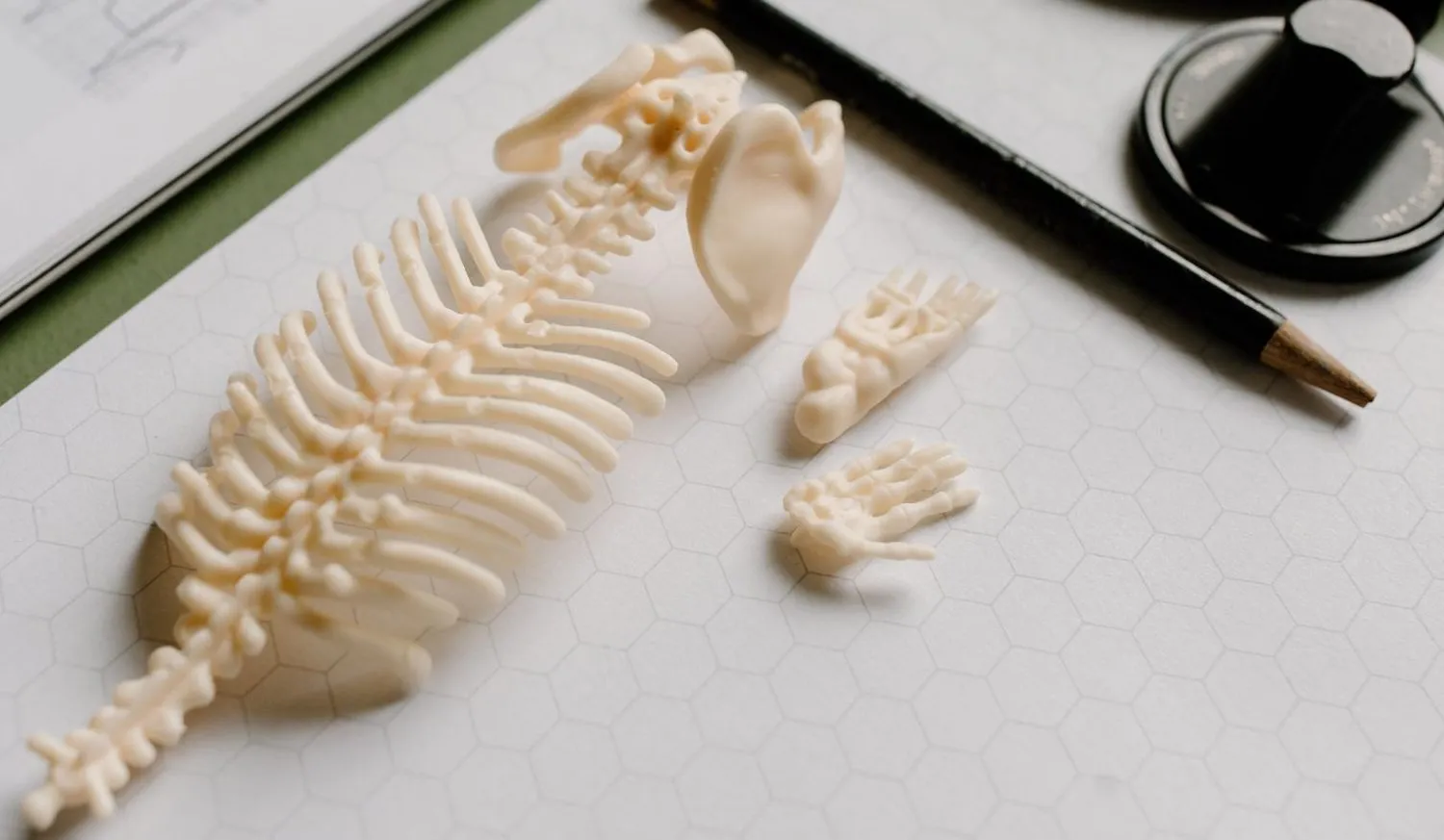
Between each pair of vertebrae sits a disc: a tough ring of fibrous tissue around a softer centre. Discs are firmly attached to the bones above and below. They cannot slip out of place any more than your ear can slip off your head.
What can happen is that the outer ring develops a weakness and the inner material bulges outwards. If the bulge presses on or irritates a nerve root, you can feel pain, tingling or numbness down a leg — sciatica — or an arm.
The part nobody tells you
Disc bulges are extremely common in people with no pain at all. Scans of adults who have never had back pain show bulges in a large share of them, and the proportion rises with age, in the same way grey hair does. A bulge on a scan is not a diagnosis by itself.
Even when a bulge is causing pain, the body is good at dealing with it. Many disc bulges shrink over weeks to months, and most people with disc-related sciatica recover without surgery.
What helps
Keep moving within comfort. Bed rest slows recovery; short, frequent walks speed it up. Twenty minutes a day, split into two or three walks if you need to, is a good start. Avoid long spells of sitting, and change position often.
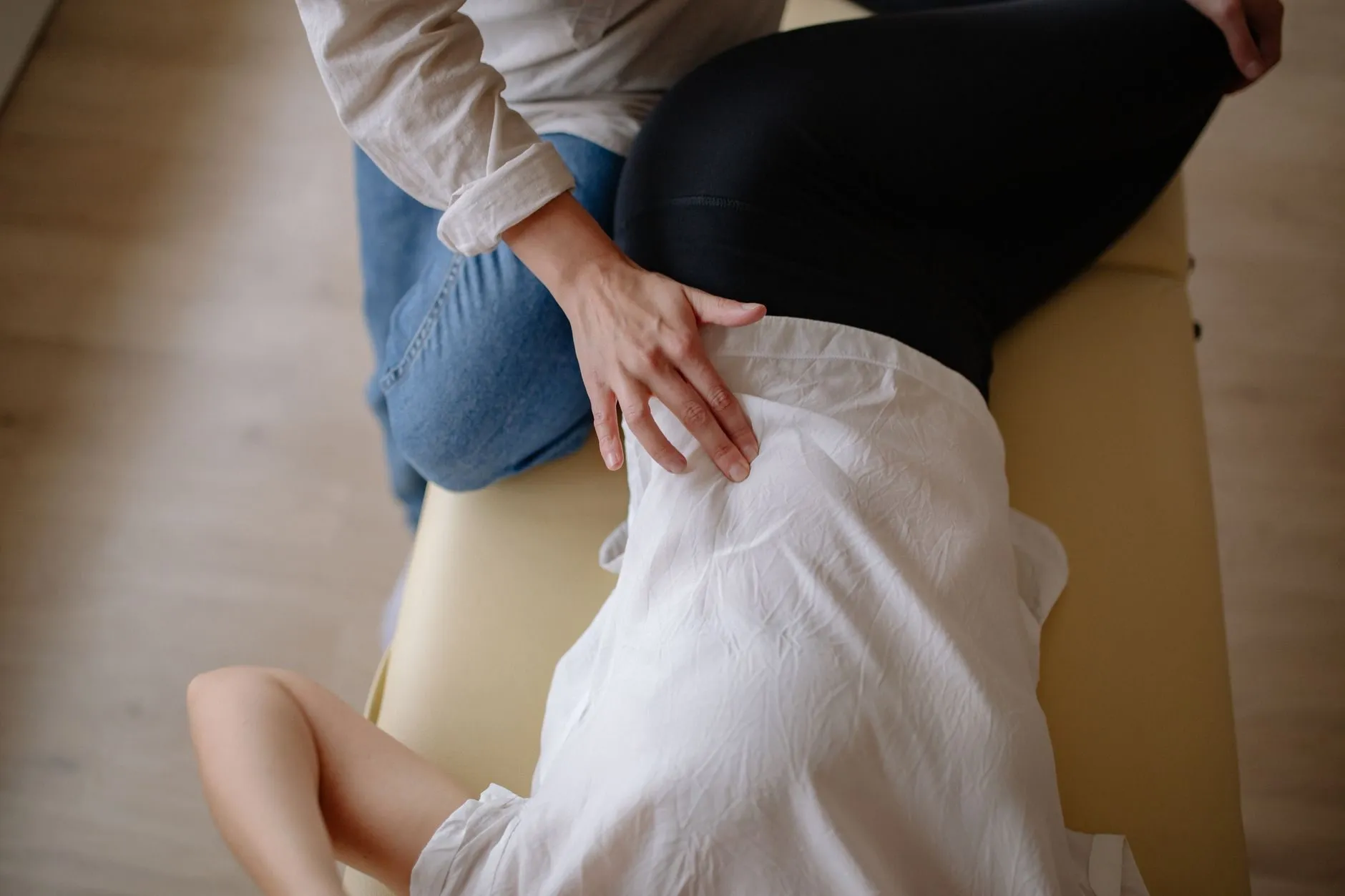
Treatment helps by calming the irritated area and restoring movement, and exercises help you load the back again with confidence. The language helps too: “a bulge that is irritating a nerve and will settle” is both more accurate and easier to live with than “a slipped disc”.
Get urgent medical help if back pain comes with numbness around the groin, new bladder or bowel problems, or weakness in both legs. Otherwise, see how we treat sciatica.