
First visit
£68
60 minutes
A full hour with a chiropractor. History, examination, a clear explanation of what is wrong and, where it is safe, your first treatment the same day.
Treatments
Start with a first visit if the problem is new. Everything else you can book directly. Prices are per visit and paid at the clinic.
£68
60 minutes
A full hour with a chiropractor. History, examination, a clear explanation of what is wrong and, where it is safe, your first treatment the same day.

£44
30 minutes
The working visit. We re-check what changed since last time, treat, and adjust your exercises so progress keeps coming between appointments.

£55
45 minutes
Deep, targeted muscle work for training loads, tight backs and shoulders that will not let go. Firm, not punishing, and always for a reason.

£48
30 minutes
Gentle, adapted care for lower back, pelvic and rib pain in pregnancy, from the first trimester to the weeks after birth.
£45
40 minutes
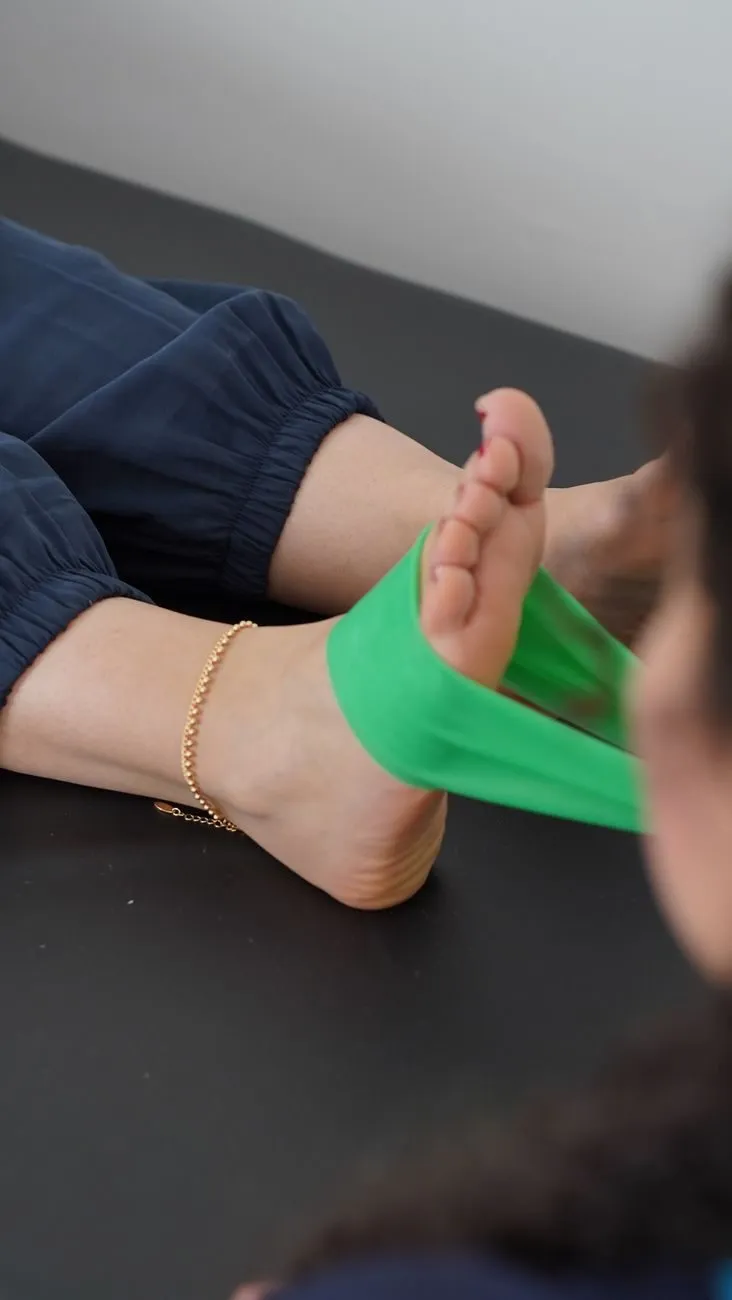
One-to-one coached exercise to rebuild strength after an injury or a bad episode of back pain, so it does not come back next winter.

£58
45 minutes
For stiff necks and upper backs that come from long days at a screen. We look at how you sit, set up your desk from photos and treat what it has already done.
Book a first visit and we will work it out together, or call 020 7946 0138 and ask for five minutes with a clinician.