Typically 4–7 visits, then a rehab block
Lower back pain
Acute back spasm, a back that "goes" when you bend, or a dull ache that has come and gone for years. The most common reason people come to us.
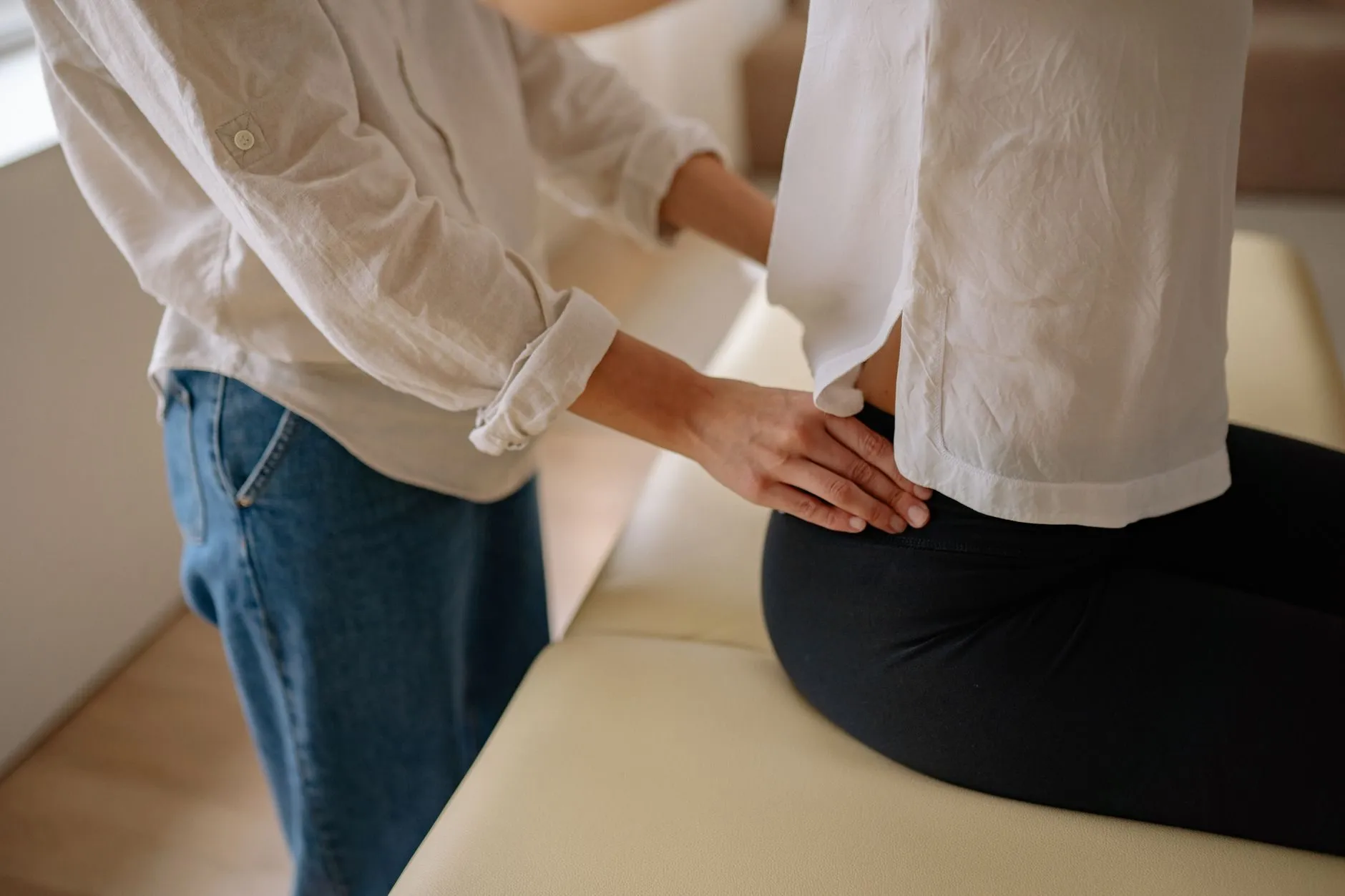
How we treat it
Four in five adults have lower back pain at some point, and most of it is not serious. It is also miserable, and it tends to come back if it is only ever rested away.
At your first visit we work out where the pain is coming from — the small facet joints, the discs, the sacroiliac joints or the muscles — and whether any nerve is involved. We also screen for the rare signs that mean you need urgent medical care rather than us, listed on this page. If you have any of them, go to A&E.
In the acute stage treatment calms things down: gentle mobilisation or adjustment, soft-tissue work, and advice on what to keep doing (usually more than you think). As the pain settles we add strength work for the hips and trunk, often in rehab sessions with Callum, because a stronger back is the best defence against the next episode.
Common signs
- Pain across the lower back or to one side
- Stiffness first thing in the morning
- Pain bending, lifting or getting out of a car
- Muscle spasm that bends you to one side
See a doctor first if you have
- Numbness around the groin or back passage
- New difficulty passing urine or controlling your bladder or bowels
- Weakness in both legs
Call 999 or go to A&E for anything sudden and severe. For urgent advice, call 111.
“Ilse told me on day one that my back did not need adjusting yet, it needed to calm down first. First clinic that ever said “not yet” to me. Right call.”